
Understanding Casino Games and House Edge
To grasp the effectiveness of any system claiming to beat the casino, it is crucial to understand how casino games operate. Each game, whether it be slots, blackjack, or roulette, is designed with a built-in advantage known as the house edge. This edge ensures that, over time, the casino will always come out ahead. For example, in blackjack, players can influence the outcome through their decisions, but the house edge still persists due to factors such as the number of decks used and the rules of the game. Many players also consider options like instant withdrawal casino platforms to enhance their gaming experience, understanding these nuances is essential for players who wish to explore any betting systems.
The house edge varies from game to game. In roulette, for instance, the European version has a 2.7% house edge, while American roulette, with its extra double zero, has a 5.26% edge. Understanding these figures is vital for players considering any betting system. The odds are always against the player in the long run, making it essential to approach these games with a realistic mindset on what can truly be achieved. Players should recognize that no matter how skilled they might be, the mathematical advantages are firmly in the casino’s favor.
Moreover, casino games are designed to be a form of entertainment rather than a reliable source of income. The allure of potentially beating the odds can be captivating, often encouraging players to explore different systems and strategies. However, it’s important to remember that no game is without risk, and the almost inevitable loss is part of the gambling experience. This recognition can help players approach their casino visits with more caution and awareness, allowing for a more enjoyable experience while avoiding the pitfalls of unrealistic expectations.
Popular Betting Systems: Do They Work?
Many players turn to various betting systems in hopes of turning the tables on the casino. The Martingale system, for example, involves doubling one’s bet after every loss, with the belief that eventually winning will recover all previous losses. While this strategy can provide short-term wins, it doesn’t change the fundamental odds of the game. Players can quickly find themselves in deep trouble if they hit a losing streak, potentially hitting table limits and depleting their bankroll. This highlights the risk inherent in such systems, where chasing losses can lead to devastating financial consequences.
Another common system is the Fibonacci betting strategy, which follows a sequence of numbers to determine bet sizes. While it offers a more moderated approach compared to the Martingale system, it still does not alter the odds. Casinos are aware of these systems and how to counteract them, often adjusting their game rules and limits accordingly. This highlights how, despite the appeal of such systems, they often fail to deliver on the promise of consistent wins. Players must understand that these systems can create a false sense of security, ultimately leading to poor decision-making.

Ultimately, while these betting systems can enhance the experience and provide a structure for betting, they are not foolproof methods for beating the casino. Many players fall into the trap of believing they have a secret formula, which can lead to poor financial decisions and significant losses. Understanding the limitations of these systems is critical for any player looking to enjoy the games responsibly without the false expectation of guaranteed success. The reality is that while strategies can provide structure, they cannot change the odds that are fundamentally stacked against the player.
The Psychology of Gambling: The Gambler’s Fallacy
The psychological aspect of gambling plays a significant role in how systems are perceived and utilized by players. One common phenomenon is the gambler’s fallacy, which is the erroneous belief that past events can influence the probability of future outcomes in random games. For example, a player might think that if a coin lands on heads several times in a row, tails is more likely to occur next. This flawed reasoning can lead players to make irrational bets based on perceived patterns that simply do not exist, often resulting in unintended losses.
This cognitive bias can be particularly dangerous in a casino setting, where emotions often run high, and the pressure to recover losses can cloud judgment. Players who fall victim to the gambler’s fallacy may take increasingly risky bets, hoping to break even or achieve a big payout. However, because the outcomes of games are independent, this approach rarely leads to true success and often results in larger financial setbacks. Recognizing this tendency can help players make more informed choices, rather than succumbing to emotional decision-making.
Understanding the psychological traps of gambling is essential for anyone hoping to enjoy their time at the casino while managing their bankroll effectively. Strategies that encourage rational thinking and responsible betting can help mitigate the effects of these biases, allowing for a more enjoyable and potentially fulfilling gaming experience. Recognizing when to walk away is just as vital as knowing how much fun to have at the tables, ensuring that players can keep their gambling experience positive and entertaining.
Strategies for Responsible Gambling
While no system guarantees victory at the casino, many strategies can help promote responsible gambling. Setting a budget before playing is one of the most effective practices. By allocating a specific amount of money that one is comfortable losing, gamblers can ensure that their entertainment remains within safe limits. This practice helps to establish clear boundaries and prevents players from chasing losses, which can lead to financial difficulties. It is also beneficial to track spending during play to maintain awareness of one’s financial situation.
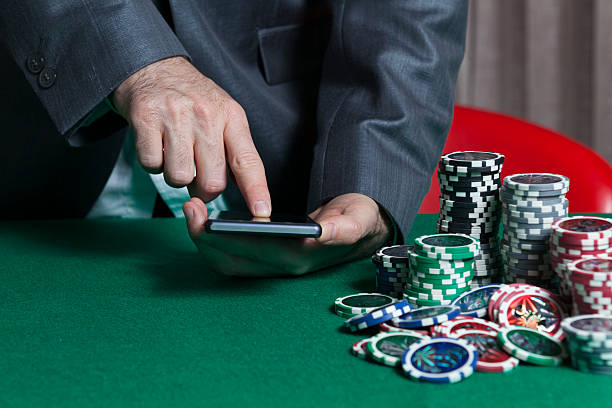
Additionally, timing your play is an important aspect of responsible gambling. Limiting the time spent in the casino can reduce the temptation to continue playing after a loss. Many players find that taking breaks or stepping away after a session helps maintain a healthy perspective on gambling. This practice also provides the opportunity to evaluate whether the activity remains enjoyable or has become a source of stress. Setting time limits can foster a more balanced approach to gaming, making it easier to walk away when necessary.
Another valuable strategy involves the use of self-assessment tools that many casinos provide. These tools can help players monitor their gambling habits and identify any signs of problematic behavior early on. By taking advantage of these resources, individuals can ensure that they maintain control over their gambling experience, making informed and responsible decisions at the casino. Engaging with these tools can contribute to a more enjoyable atmosphere and reduce instances of excessive gambling.
Find Out More on Responsible Gambling
For those looking to delve deeper into the world of gambling and understand the realities behind beating the casino, numerous resources are available. Educational websites provide insights into responsible gambling strategies, game mechanics, and the psychological aspects of betting. These platforms serve as excellent starting points for players seeking to enhance their knowledge and make informed choices. Many casinos also host workshops and information sessions that can equip players with the right tools to gamble responsibly.
Moreover, responsible gambling organizations offer support and tools for those who may be struggling with gambling issues. From hotlines to counseling services, these resources are designed to assist individuals in finding a balanced approach to gambling. Engaging with these services not only promotes awareness but also fosters a community of players who prioritize responsible gaming habits. Such connections can provide encouragement and accountability, making it easier for individuals to maintain control over their gambling activities.
Ultimately, while the allure of beating the casino may persist, understanding the risks and embracing responsible gambling principles is essential for a healthy gaming experience. By focusing on education and awareness, players can enjoy their time at the casino while minimizing potential pitfalls associated with gambling. Engaging with the right resources can empower players to make informed decisions, ensuring their gambling remains a fun and enjoyable pastime.